
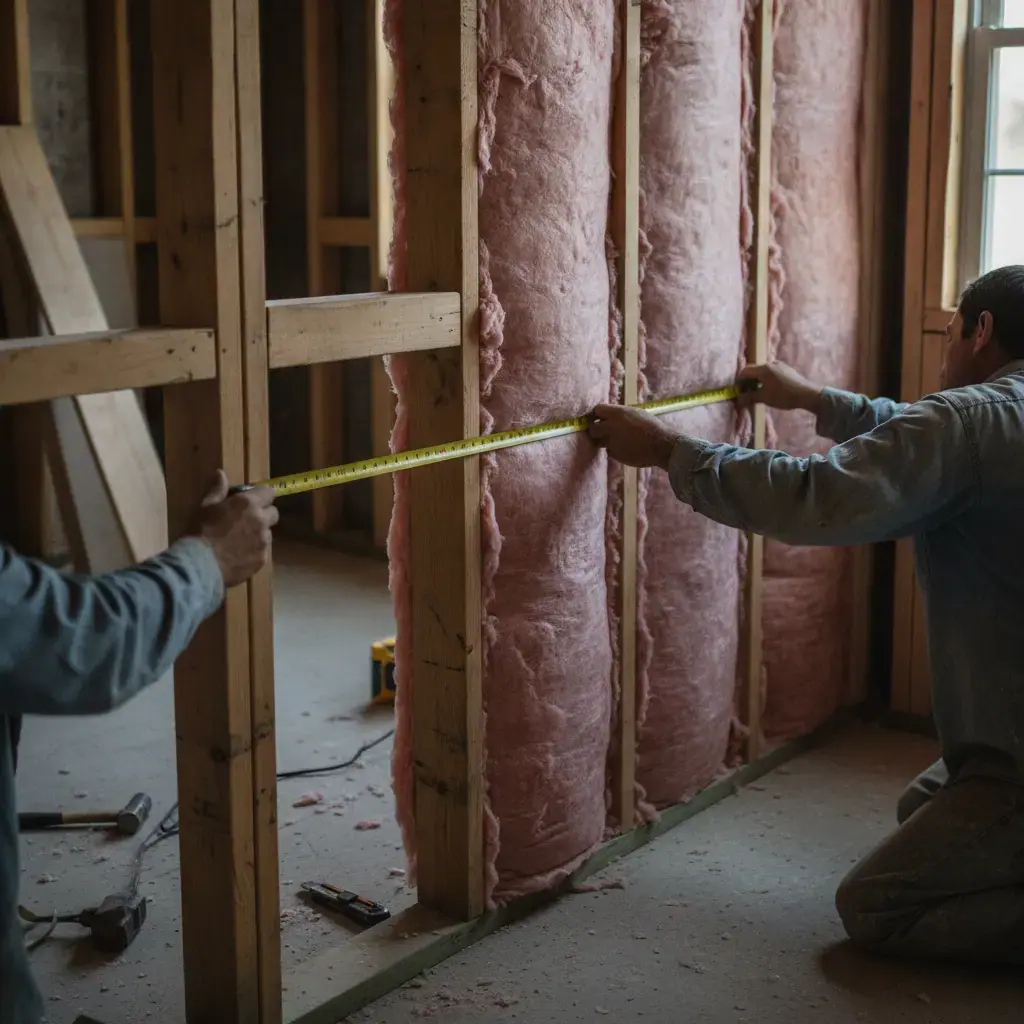
Wall Insulation in Hawthorne, CA
Energy-Saving Wall Insulation for Hawthorne, CA Homes — Licensed & Insured
Hawthorne Insulation Pros delivers professional insulation services for Hawthorne, CA homes. Our licensed team improves energy efficiency and comfort with products designed for local climate conditions.
Wall insulation is the process of installing thermal and acoustic barrier materials inside the interior and exterior walls of a home or commercial building to regulate temperature, reduce energy consumption, and limit unwanted noise transfer. In Hawthorne, CA — a dense South Bay city situated just two miles east of Los Angeles International Airport (LAX) — effective wall insulation is not a luxury; it is a functional necessity driven by jet noise, marine-layer humidity cycling, and a large stock of aging mid-century housing built before modern energy codes existed.
At Hawthorne Insulation Pros, our crews specialize exclusively in residential and light-commercial insulation across the Hawthorne area. Whether you live in a 1950s stucco ranch near Yukon Avenue or a newer townhome off Prairie Avenue, our team assesses your wall assembly, recommends the right material, and installs it with precision. Call us today at (424) 449-0089 for a free on-site estimate.
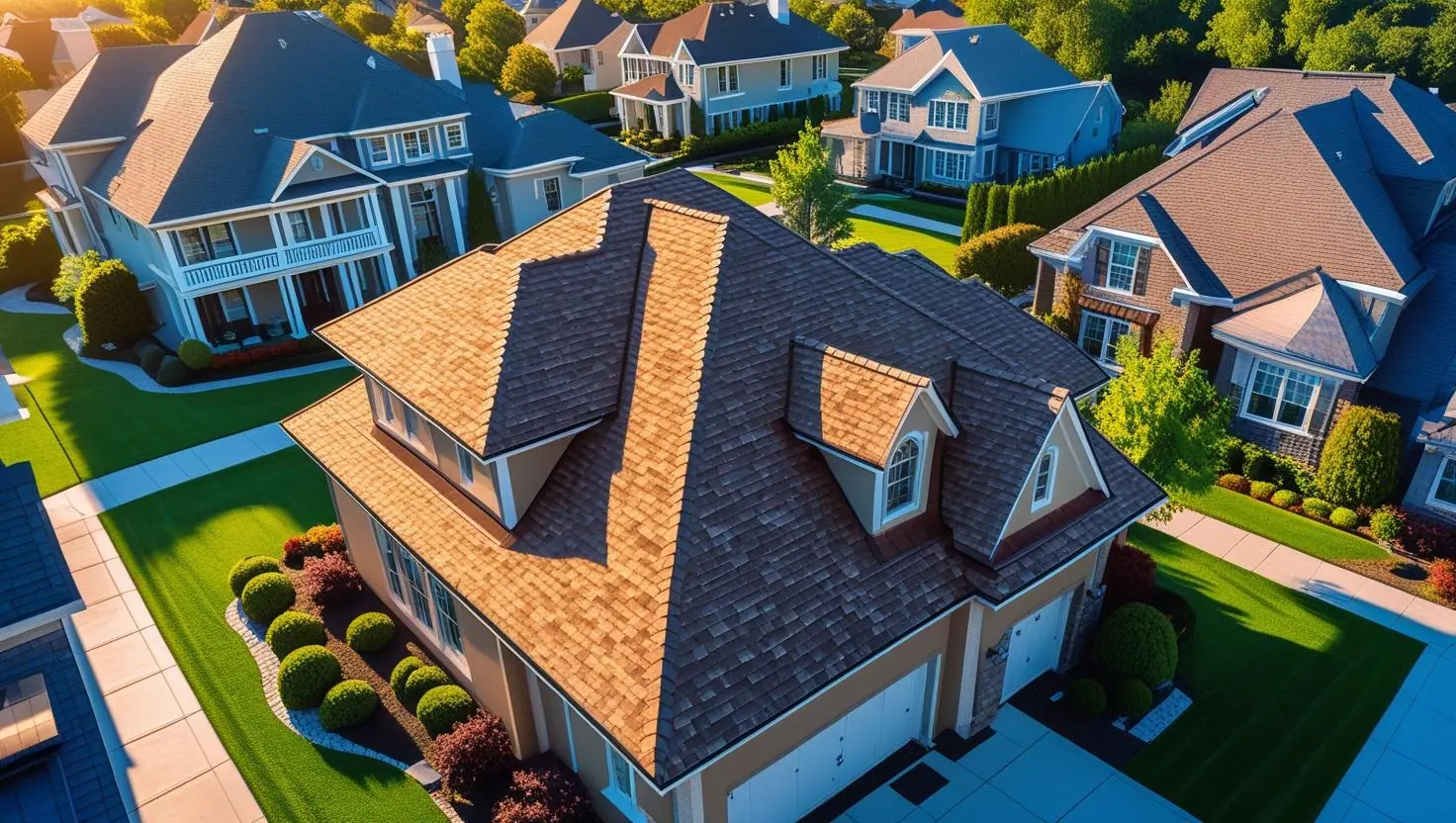
Understanding Wall Insulation
Why Wall Insulation Is Especially Needed in Hawthorne, CA
The LAX Noise Factor
Hawthorne sits directly beneath LAX departure and arrival flight paths. The FAA’s 2014 Metroplex Optimization Project shifted numerous flight corridors, concentrating jet traffic above the South Bay at altitudes between 2,500 and 5,000 feet. Noise monitors maintained by Los Angeles World Airports (LAWA) have recorded peak sound levels exceeding 75 dB(A) in residential areas east of Aviation Boulevard — a threshold that can interfere with sleep and conversation indoors. Dense-pack cellulose or closed-cell spray foam in wall cavities can reduce interior noise transmission by 8–15 STC (Sound Transmission Class) points, a meaningful improvement for Hawthorne residents. Homes within the 65 dB CNEL contour — which includes large portions of Bodger Park and the blocks immediately surrounding Hawthorne Airport (HHR) on Crenshaw Boulevard — benefit most from acoustically optimized wall assemblies.
Marine-Layer Humidity and Moisture Risk
Hawthorne’s coastal climate (NOAA Climate Zone 8, Mediterranean subtype) generates a persistent marine layer from May through September — locally called “June Gloom,” though it regularly extends into August. Morning relative humidity frequently reaches 85–95% before burning off by midday, then cycling back overnight. This daily humidity swing creates vapor pressure differentials across uninsulated or improperly insulated stucco walls. Over years, this cycling wicks moisture into wood framing, promotes mold growth in hollow wall cavities, and deteriorates drywall paper facing. Insulation with an appropriate vapor retarder — particularly closed-cell spray foam, which carries a Class II vapor retarder rating — interrupts this moisture migration path.
Urban Heat Island Effect Along Hawthorne Boulevard
The dense commercial corridor along Hawthorne Boulevard and Imperial Highway creates a measurable urban heat island. UCLA’s 2021 heat mapping study for the South Bay found that paved commercial areas in Hawthorne registered summer surface temperatures up to 18°F higher than nearby tree-canopied residential streets. Homes and apartments adjacent to these corridors absorb radiant heat through west- and south-facing walls. Without adequate R-value in those wall assemblies, air conditioners must work harder and longer, driving up electricity bills on SCE (Southern California Edison) accounts already subject to tiered rate structures that penalize high summer consumption.
Aging Housing Stock and Empty Wall Cavities
City of Hawthorne building permit records indicate that the majority of single-family residences were constructed between 1945 and 1965 — before California mandated insulation requirements. A thermal imaging survey conducted in similar South Bay communities found that more than 60% of pre-1970 homes had less than R-4 effective wall insulation, compared to the current Title 24 requirement of R-13 minimum. Filling a standard 3.5-inch stud bay with blown-in fiberglass or cellulose raises effective R-value to approximately R-13, meeting code and reducing heating and cooling loads measurably. Learn about our blow-in insulation service for retrofit applications.
Summer Heat Waves and Grid Pressure
The September 2022 California heat emergency — during which Hawthorne recorded temperatures reaching 101°F at the Hawthorne Municipal Airport weather station — placed extreme pressure on the SCE grid and led to rolling Flex Alerts across Los Angeles County. Homes with properly insulated walls maintained interior temperatures 6–10°F cooler during peak afternoon hours compared to uninsulated counterparts, reducing reliance on air conditioning during grid-critical windows.
Free, no-obligation estimates
Talk to Hawthorne Insulation Pros
Tell us what you need and we’ll take it from there.
Signs You Need Wall Insulation in Your Hawthorne Home
Energy & Comfort Indicators
- Unusually high SCE electricity bills during summer months, especially if usage exceeds 500 kWh/month for a typical Hawthorne single-story home
- Rooms that feel hot in the afternoon despite running the air conditioner — particularly west- or south-facing rooms
- Cold interior wall surfaces in winter mornings (easily confirmed by touching drywall — should not feel noticeably cold)
- Inconsistent temperatures between rooms, with 5°F or more variance
Moisture & Structural Indicators
- Visible moisture staining on interior drywall, especially along the base of exterior walls after marine-layer mornings
- Musty odors emanating from wall areas, indicating mold growth inside empty or damp cavities
- Peeling paint or bubbling stucco on exterior surfaces — often a sign of moisture trapped against the wall assembly
- Drywall that feels soft or spongy when pressed near the base of walls
Acoustic Indicators
- Clearly audible jet noise from LAX or Hawthorne Airport inside your home with windows closed
- Neighbor conversations, traffic noise from Prairie Avenue or Hawthorne Boulevard audible at normal volume indoors
Urgency Flag
If you notice both moisture staining and musty odors simultaneously, schedule a professional assessment promptly. Active mold inside wall cavities requires remediation before new insulation can be safely installed. Learn about our insulation removal and remediation services.
Our process
Our Wall Insulation Process in Hawthorne
- 01
Free On-Site Assessment (Day 1 — 1–2 Hours)
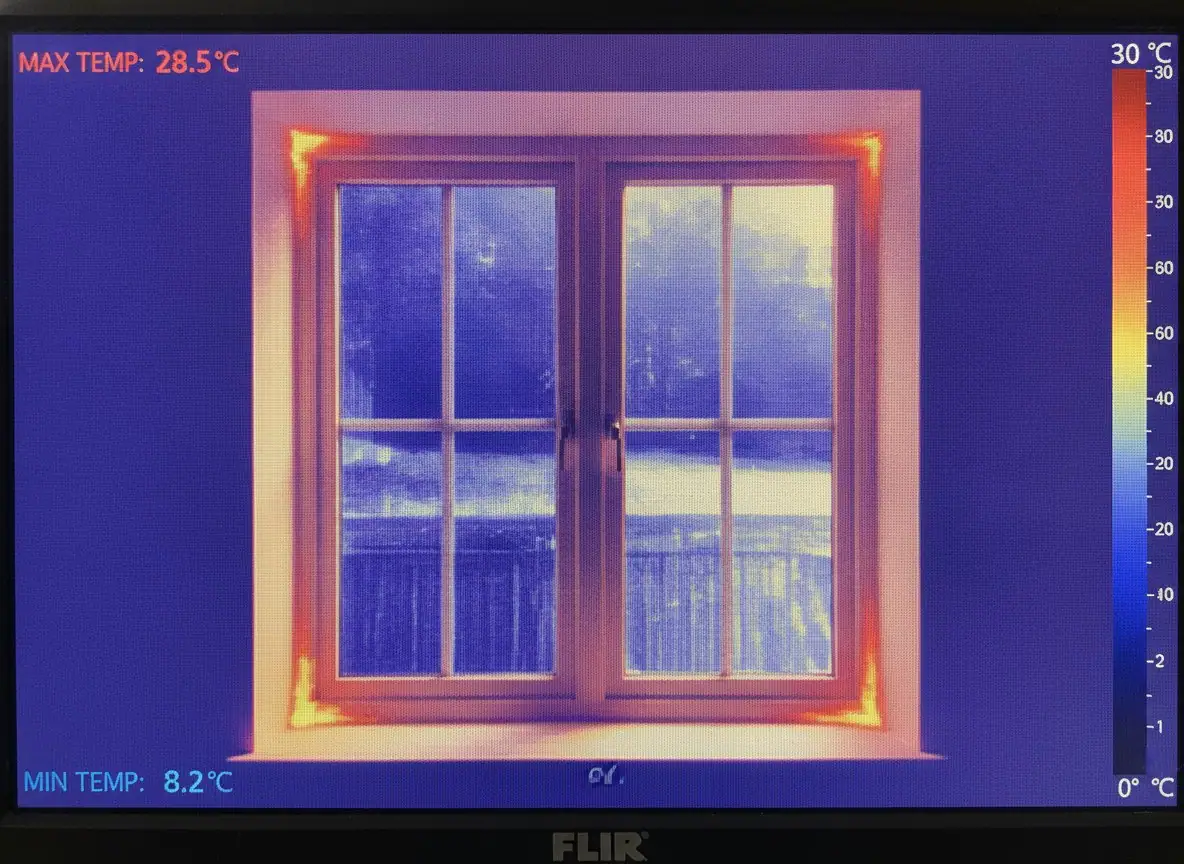
A Hawthorne Insulation Pros technician visits your property, reviews existing wall assemblies, and performs a thermal imaging scan using a FLIR infrared camera to identify cold spots, empty cavities, and potential moisture zones. We document wall framing type
- 02
Detailed Written Proposal (1–2 Business Days)
We provide a line-item written estimate specifying material type, R-value, square footage, access method, and total installed cost. We include applicable California utility rebate information — SCE’s Home Energy Efficiency Rebate program currently offers rebat
- 03
Scheduling and Permit Review (1–5 Business Days)
For retrofit blow-in work, permits are typically not required under City of Hawthorne building codes for like-for-like insulation in existing closed wall cavities. If the project involves opening walls or adding continuous exterior insulation, we coordinate an
- 04
Site Preparation (Morning of Installation)
We protect floors, furniture, and HVAC equipment with drop cloths and plastic sheeting. For exterior drill-and-fill methods, we stage equipment on the driveway or sidewalk with appropriate traffic safety measures — especially important on busier Hawthorne stre
- 05
Insulation Installation (4–8 Hours for Typical Home)
Technicians install the agreed-upon insulation system using calibrated equipment to ensure proper density and coverage. Blow-in applications are verified with a density probe; spray foam lifts are checked for thickness with a depth pin tool. We work methodical
- 06
Patching, Clean-Up, and Quality Check (1–2 Hours)
Drill access holes in stucco are patched with color-matched stucco compound. Interior access points in drywall are patched with mesh tape and joint compound, left ready for homeowner painting. We perform a final thermal scan to confirm full cavity coverage bef
- 07
Documentation and Rebate Paperwork
We provide a Certificate of Insulation Installation documenting R-values and materials used — required for SCE rebate applications and future home sale disclosure under California Civil Code Section 1102.
Wall Insulation Methods We Use in Hawthorne
1. Blown-In Fiberglass (Retrofit — Drill and Fill)
The most common retrofit method for Hawthorne’s pre-1970 stucco homes. Technicians drill 2-inch holes between each stud bay, either through exterior stucco or interior drywall, and inject loose-fill fiberglass to a density of approximately 1.7–2.0 lb/ft³, achieving R-13 in a standard 3.5-inch cavity. This method preserves wall finishes and is ideal for occupied homes. Explore our full blow-in insulation services.
2. Dense-Pack Cellulose
Cellulose, made from recycled paper treated with borate fire retardant, is blown at higher density (3.5–4.0 lb/ft³) than fiberglass. This density provides superior air-sealing and acoustic damping — a critical benefit for homes near LAX and Hawthorne Airport. It achieves R-3.7 per inch, yielding R-13 in a 3.5-inch cavity. Excellent choice for the noise-impacted corridors west of Crenshaw Boulevard.
3. Closed-Cell Spray Foam
Applied to open wall cavities during renovation or new construction, closed-cell spray polyurethane foam (ccSPF) provides R-6.5 per inch and acts as both a Class II vapor retarder and an air barrier — making it ideal for Hawthorne homes prone to marine-layer moisture infiltration. Learn more about our spray foam insulation services.
4. Open-Cell Spray Foam
At R-3.7 per inch, open-cell foam is applied in open-cavity renovations where moisture vapor permeability is acceptable. Its spongy texture provides excellent acoustic dampening at a lower cost than closed-cell. Best used on interior partition walls between living spaces and garages or laundry rooms in Hawthorne townhomes and condos.
5. Rigid Foam Board (Continuous Insulation)
XPS or polyisocyanurate board installed on the exterior face of wall sheathing before new cladding is applied. Used primarily during major re-siding projects, this method adds R-5 to R-10 of continuous insulation that eliminates thermal bridging through studs — a significant upgrade for commercial properties along Hawthorne Boulevard undergoing renovation.
Wall Insulation Cost in Hawthorne, CA
Understanding wall insulation costs helps Hawthorne homeowners budget appropriately and evaluate quotes. Below are current installed price ranges reflecting South Bay Los Angeles labor and material markets.
Typical Price Ranges (Installed)
- Blown-In Fiberglass (Drill & Fill): $1.50–$2.50 per sq. ft. of wall area. A typical 1,400 sq. ft. Hawthorne ranch home with approximately 800 sq. ft. of exterior wall area averages $1,200–$2,000 total.
- Dense-Pack Cellulose: $2.00–$3.25 per sq. ft. of wall area. Same home averages $1,600–$2,600 total.
- Closed-Cell Spray Foam (Open Cavity): $4.00–$6.50 per sq. ft. of wall area. Most cost-effective when walls are already open during renovation.
- Open-Cell Spray Foam (Open Cavity): $1.75–$3.00 per sq. ft. of wall area.
- Rigid Foam Board (Exterior Continuous): $3.50–$7.00 per sq. ft., installed over sheathing during re-siding projects.
Read moreShow less
Cost Factors Specific to Hawthorne
- Stucco patching complexity: Matching existing stucco color and texture after drill-and-fill adds $150–$400 to most projects.
- Asbestos testing: Homes built before 1980 — common in Hawthorne — may require asbestos testing of existing wall materials before work begins. Testing runs $150–$350 through a certified California laboratory.
- Access difficulty: Narrow side yards common on Hawthorne lots (often 3–5 feet) can limit equipment access and add 5–10% to labor costs.
Available Rebates
SCE’s Home Energy Efficiency Rebate program and the California Energy Commission’s TECH Clean California initiative may offset $200–$600 of project cost for qualifying Hawthorne homeowners. We assist with all rebate paperwork at no additional charge.
Hawthorne Neighborhoods We Serve
Bodger Park
Bounded by El Segundo Boulevard, Hawthorne Boulevard, 120th Street, and Prairie Avenue, Bodger Park consists primarily of 1945–1960 single-family stucco homes with empty 2×4 wall cavities. Many sit within the 65 dB CNEL LAX noise contour and benefit significantly from dense-pack cellulose for combined thermal and acoustic performance.
Holly Glen
Holly Glen’s curvilinear street layout near 135th Street features well-maintained ranch homes from the late 1950s and early 1960s. These homes frequently have original plaster-on-lath interiors, requiring exterior drill-and-fill through the stucco face to avoid disturbing historic plaster finishes.
Ramona/St. Carmel Area
The central Hawthorne residential core near Ramona Avenue and St. Carmel Street includes a mix of post-war single-family homes and 1970s apartment buildings. Apartment owners in this area frequently need wall insulation between shared walls (party walls) to meet current acoustic codes during renovation permits.
Hawthorne Boulevard Corridor (Mixed-Use)
Newer mixed-use residential developments along the Hawthorne Boulevard/ Crenshaw LAX Metro corridor from 120th Street south to Imperial Highway use steel-stud framing. These projects require spray foam or mineral wool insulation compatible with metal framing to avoid thermal bridging.
Wall Insulation Maintenance Tips for Hawthorne Homeowners
- Inspect stucco annually for cracks: Hawthorne’s clay-loam soils (Ramona sandy loam series) experience minor seasonal movement that can crack exterior stucco. Even hairline cracks allow moisture into wall cavities. Seal cracks with elastomeric caulk each spring before June Gloom season begins.
- Check weep screeds at the wall base: The metal weep screed at the bottom of stucco walls must remain clear of mulch and soil to allow moisture to drain. Clear debris from weep screeds twice per year.
- Monitor interior humidity: Keep indoor relative humidity between 40–55% using a $15 hygrometer. Excessive indoor humidity (above 60%) can condense inside wall cavities during cool marine-layer mornings.
- Ensure bathroom and kitchen exhaust fans vent to exterior: Many older Hawthorne homes exhaust fans into wall cavities or attic spaces, introducing moisture. Verify exterior termination annually.
- Re-inspect insulation after any plumbing or electrical work: Wall repairs for plumbing leaks — common in aging copper-pipe Hawthorne homes — can leave insulation disturbed or compressed. Request a thermal scan after any wall-opening repair.
- Confirm HVAC ductwork sealing: Leaky duct connections inside wall chases reduce the effective benefit of wall insulation. Have ducts inspected and sealed every 5–7 years.
- Review energy bills seasonally: A sudden unexplained increase in SCE bills — particularly in the June–September high-rate season — can signal insulation settlement or moisture damage in wall cavities worth investigating.
Why Choose Hawthorne Insulation Pros
Hawthorne Insulation Pros is a locally focused insulation contractor serving Hawthorne and the surrounding South Bay communities. We are not a national franchise dispatching unfamiliar crews — every technician on our team has hands-on experience with the specific wall assemblies, stucco finishes, and climate conditions found throughout Hawthorne’s neighborhoods.
We carry full general liability insurance and workers’ compensation coverage in accordance with California contractor requirements. Our estimators are trained in California Title 24 energy compliance and can provide documentation needed for permit sign-off with the City of Hawthorne Building & Safety Division.
We offer free thermal imaging assessments with every estimate — a service many competitors charge $150–$300 for separately. We assist with all available SCE and state rebate applications at no additional fee. And we stand behind our work: every installation comes with a craftsmanship warranty on labor, and all materials carry the manufacturer’s product warranty.
Call us at (424) 449-0089 or use our online form to schedule your free assessment. Schedule your free wall insulation estimate today
FAQ
Frequently Asked Questions — Wall Insulation in Hawthorne, CA
How much does wall insulation cost in Hawthorne, CA?
For a typical 1,400 sq. ft. single-story Hawthorne home, blown-in retrofit wall insulation costs between $1,200 and $2,600 installed, depending on material choice and access conditions. Dense-pack cellulose — popular in noise-impacted areas near LAX — runs on the higher end of that range. Spray foam in open-cavity renovations ranges from $1,400 to $5,200 depending on foam type and wall area. Contact us at (424) 449-0089 for a free itemized estimate.
Do I need a permit to insulate my walls in Hawthorne?
For standard retrofit blown-in insulation in existing closed wall cavities, the City of Hawthorne Building & Safety Division does not typically require a building permit. However, if walls are opened for renovation, or if the project involves adding exterior continuous insulation boards, a permit may be required. We handle permit coordination for any project that requires it.
Will wall insulation actually reduce jet noise from LAX?
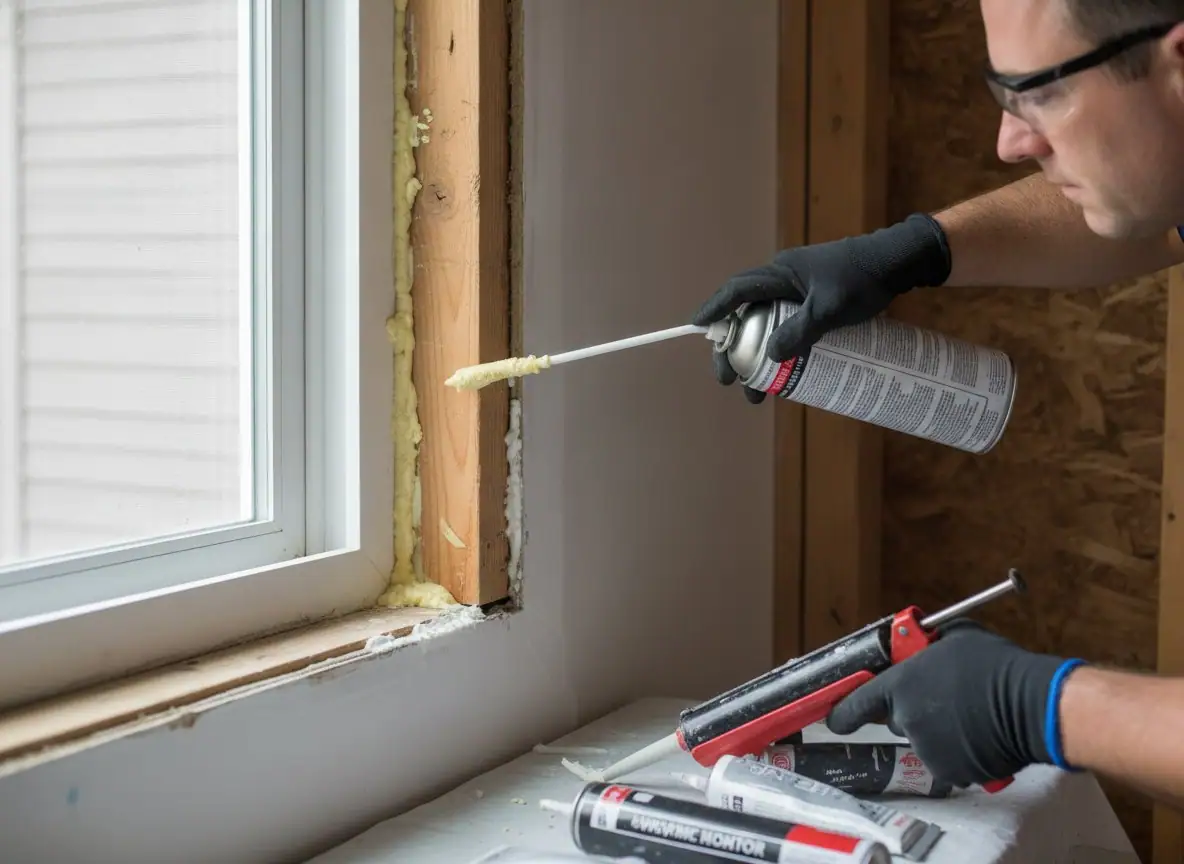
Yes, meaningfully. Dense-pack cellulose in 3.5-inch stud cavities adds approximately 8–12 STC points to a wall assembly’s sound transmission class rating. Closed-cell spray foam can add 10–15 STC points. While wall insulation alone does not equal soundproofing, it makes a noticeable difference for Hawthorne homes within the 65 dB CNEL LAX contour. For maximum acoustic benefit, window and door sealing should be addressed simultaneously.
How long does the installation take?
A typical single-family Hawthorne home takes one day — approximately 4–8 hours — for the drill-and-fill blown-in process. Spray foam open-cavity installations take 1–2 days, including cure time between lifts. We schedule most jobs within 1–2 weeks of proposal acceptance.
My Hawthorne home was built in 1955. Do I need asbestos testing first?
Homes built before 1980 may contain asbestos in wall materials, joint compound, or insulation wrapping around pipes. Before drilling into walls for retrofit insulation, we recommend a certified asbestos inspection. If disturbing any suspect material, California regulations require asbestos abatement by a licensed contractor. We can refer you to certified inspectors and, if necessary, coordinate abatement before our insulation work begins.
Can I get SCE rebates for wall insulation in Hawthorne?
Yes. Southern California Edison’s Home Energy Efficiency Rebate program offers rebates for qualifying insulation upgrades in existing California homes. Current rebate amounts vary by measure and home square footage. We provide all installation documentation required for rebate applications and assist you in submitting the paperwork at no additional charge.
What is the difference between blown-in fiberglass and dense-pack cellulose?
Both achieve similar R-values (R-13 in a 3.5-inch cavity) but differ in density, air-sealing, and acoustic performance. Dense-pack cellulose is installed at 3.5–4.0 lb/ft³, which provides better air resistance and acoustic dampening — important near Hawthorne Airport and LAX flight paths. Fiberglass is lighter and dries faster if moisture is introduced, making it preferable in areas with known past moisture issues. We recommend the appropriate product based on your home’s specific location and wall condition.
How do I know if my walls are already insulated?
The most reliable method is a thermal imaging scan, which we perform free of charge during our on-site assessment. You can also remove an electrical outlet cover on an exterior wall, turn off the circuit, and use a flashlight and thin probe to check the cavity behind the outlet box. Empty cavities are common in Hawthorne homes built before 1978.
Ready to Insulate Your Hawthorne Home’s Walls? Contact Us Today.
Hawthorne homeowners deserve walls that keep jet noise out, marine-layer moisture at bay, and summer heat where it belongs — outside. Hawthorne Insulation Pros is ready to assess your home, recommend the right solution, and complete the installation efficiently with minimal disruption to your daily life.
Call (424) 449-0089 to speak with a wall insulation specialist today. We offer free on-site assessments including thermal imaging — no obligation, no pressure. Request your free wall insulation estimate online and we will contact you within one business day to schedule your visit. Serving Bodger Park, Holly Glen, and all Hawthorne neighborhoods.
Get in touch
Find insulation help near you
Request a free estimate online or give us a call — our team will follow up quickly.
- Call us(424) 449-0089
- Visit4910 W Rosecrans Ave, Hawthorne, CA 90250
- HoursMon-Sun 07:00-19:00